How to Play Memory of Memorie
Your first Pomodoro session with Memorie in Elmana Village
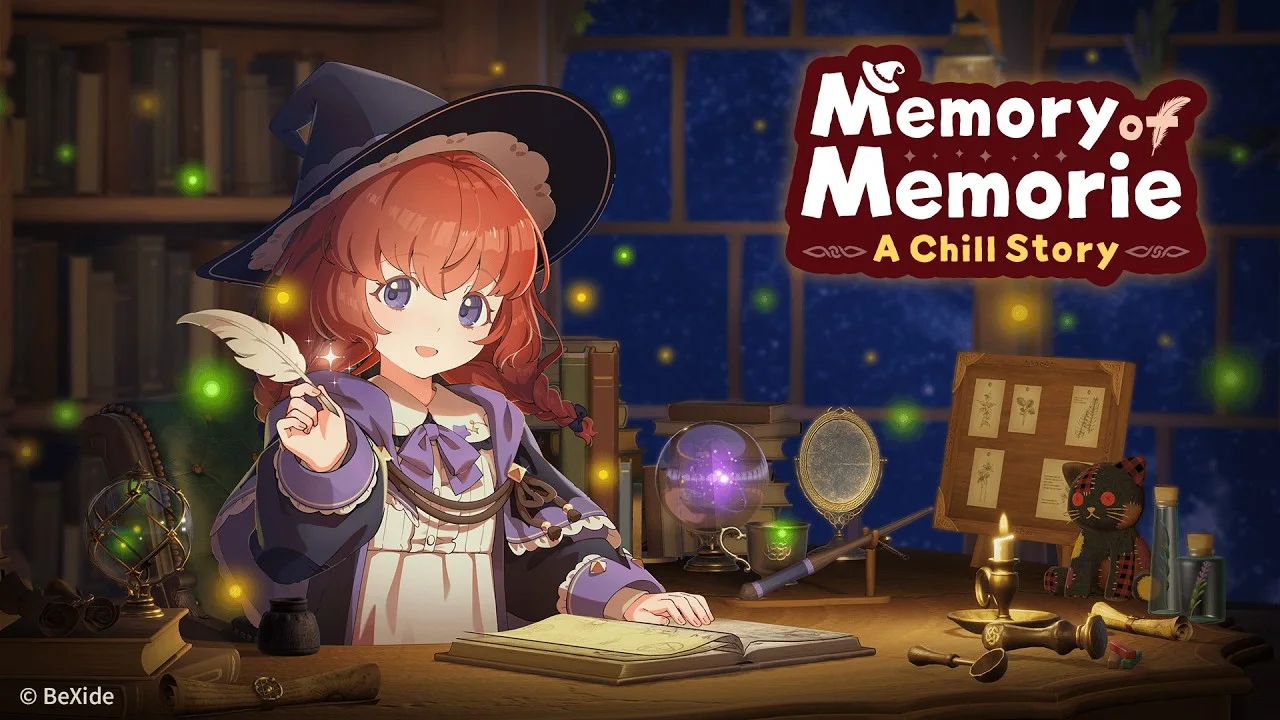
What you are playing
Memory of Memorie : A Chill Story is a story-driven productivity adventure developed and published by BeXide Inc. You are not controlling a battle hero—you are sharing a desk with Memorie, an apprentice witch living in Elmana Village. Real-world focus time drives progression. Complete Pomodoro-style work intervals, earn experience, level up to receive keys, and spend those keys on conversations, village moments, and changes to Memorie’s room. Celtic-inspired music and soft visuals keep the tone calm while you study, write code, illustrate, or handle email.
The game launched around July 22–23, 2026 on Steam (Windows and macOS), Nintendo Switch, and Nintendo Switch 2. Steam lists interface languages: English, Japanese, Simplified Chinese, Traditional Chinese, and Korean. There are 15 Steam achievements tied to focus habits, story milestones, and collection—not reflex challenges.
Install and launch
Purchase or install from your platform store. On Steam, verify language under Properties if you want Japanese or Chinese UI text. Switch owners should confirm whether they bought the standard or Switch 2 Edition for enhanced visuals and Joy-Con 2 mouse-style pointing where supported.
If you played the demo, check Demo Progress Carryover before starting a fresh save. The demo imposed a roughly four-to-five-hour limit, but BeXide designed carryover into the full game so your early keys and room progress may follow you when conditions match.
Your first session: the desk loop
When Memorie greets you at her desk, treat the game like a gentle co-working stream:
- Choose a real task — homework, journaling, tax forms, game dev, anything that benefits from uninterrupted attention.
- Set a work interval — beginners often start at 15–25 minutes. The timer adjusts in one-minute steps (see Pomodoro Timer system).
- Start focus — audio shifts into ambient Celtic tracks. Avoid pausing for social media; the game rewards honest session completion.
- Take the break — short breaks mirror Pomodoro rest periods. Stretch, hydrate, then return for another block if you have energy.
- Collect progression — finished work blocks grant experience. Level-ups can award keys used at story nodes like the Lightroot Tree (detailed in How to Unlock Story).
Keys, story, and the Lightroot Tree
Keys are the currency of narrative unlocks. Unlike action RPGs where you grind enemies, you earn keys by showing up for focus. When Memorie hints that a conversation branch is available, open the story interface and spend a key if you are ready for the next emotional beat. Rushing every dialogue in one evening is possible but not required—the game encourages repeatable short sessions across days.
The Lightroot Tree acts as a central narrative anchor in Elmana Village. New players sometimes hoard keys for furniture while neglecting story; balance both so room unlocks and plot progression stay aligned. Our Experience and Keys page lists typical level pacing.
Room evolution and presets
Memorie’s room reflects your journey. Wallpapers, props, and magical touches unlock over time. Use How to Customize Your Room when you want to swap aesthetics between “deep study night” and “bright morning coding.” Presets store camera angles and environment combinations so you can restore a favorite setup in seconds—critical if you share a capture setup for streaming.
Calendar and long-term habits
Open the in-game calendar to review which days you completed focus blocks. Streak thinking helps with achievements and with real-life habit formation. The calendar does not punish a missed day harshly; Memory of Memorie is explicitly chill. Still, seeing empty days motivates gentle return rather than guilt.
Read Calendar System for how historical data displays and whether demo days carry forward.
Platforms and input
PC players use mouse and keyboard for menus; see PC Controls. Switch players should read Switch Controls for handheld versus docked layouts and Switch 2 enhancements.
Suggested first-week route
| Day | Goal | Guide link |
|---|---|---|
| 1 | Finish two 20-minute blocks, one key spend | Get Keys |
| 2 | Tune timer to your work style | Pomodoro Guide |
| 3 | Unlock a room item | Room Unlocks |
| 4 | Advance one story chapter | Walkthrough |
| 5 | Check achievements | All Achievements |
Tools and reviews outside the game
This wiki hosts Focus Tools that mirror Pomodoro math before you boot the game—useful for planning a three-hour thesis night. For purchase questions, see Is It Worth Buying? and the full Game Review.
Memory of Memorie succeeds when you treat it as a structured companion to real work. Memorie grows as you grow your focus habit; the village story pays off across weeks, not one caffeine-fueled sprint.
Living with Memorie between sessions
Memory of Memorie : A Chill Story succeeds when sessions stay short and repeatable. BeXide Inc. wrote Elmana Village and Lightroot Tree beats assuming real sleep between desk visits—unlike action RPGs that expect six-hour clears. Your calendar becomes a gentle autobiography of focus, not a punishment ledger.
Cross-platform players on Steam, Switch, and Switch 2 Edition share the same chill contract: finish honest Pomodoro blocks, spend keys deliberately, evolve Memorie’s room, and let Celtic ambience carry mood during real tasks.
Frequently Asked Questions
Quick answers about Memory of Memorie : A Chill Story.
Can I play without doing real work?
The timer expects genuine focus. Idling undermines progression design and achievement goals. Use an honest task each session.
What Pomodoro length should beginners use?
Start with 15–25 minute work intervals and standard short breaks. Adjust in one-minute steps once you know your attention span.
Where do I spend keys first?
Follow Memorie's prompts toward the Lightroot Tree story unless a room unlock strongly motivates you—both paths are valid early on.
Does the game work on macOS Steam?
Yes. BeXide ships Windows and macOS builds on Steam with the same save-backed progression systems.
How is this different from a normal Pomodoro app?
You get narrative rewards, room customization, Celtic atmosphere, and achievement hunting tied to Memorie's world—not just a kitchen timer.